Based at the Colonial War Memorial (CWM) Hospital in Suva, Dr Salababa has worked in oral and maxillofacial surgery since 2011, following a career pathway that began more than two decades ago.
"I didn't plan to become an oral surgeon during my high school years," he says.
"The opportunity – or God's hand at work – allowed me to enter the Fiji School of Medicine in 2000."
Dr Salababa graduated with a Bachelor of Dental Surgery in 2004 before beginning his career as a volunteer dentist at the Royal Fiji Military Hospital. He later worked as a dental therapist and dental officer in various locations across Fiji before returning to CWM Hospital in 2010, where his journey into oral and maxillofacial surgery began.
Building Skills and International Connections
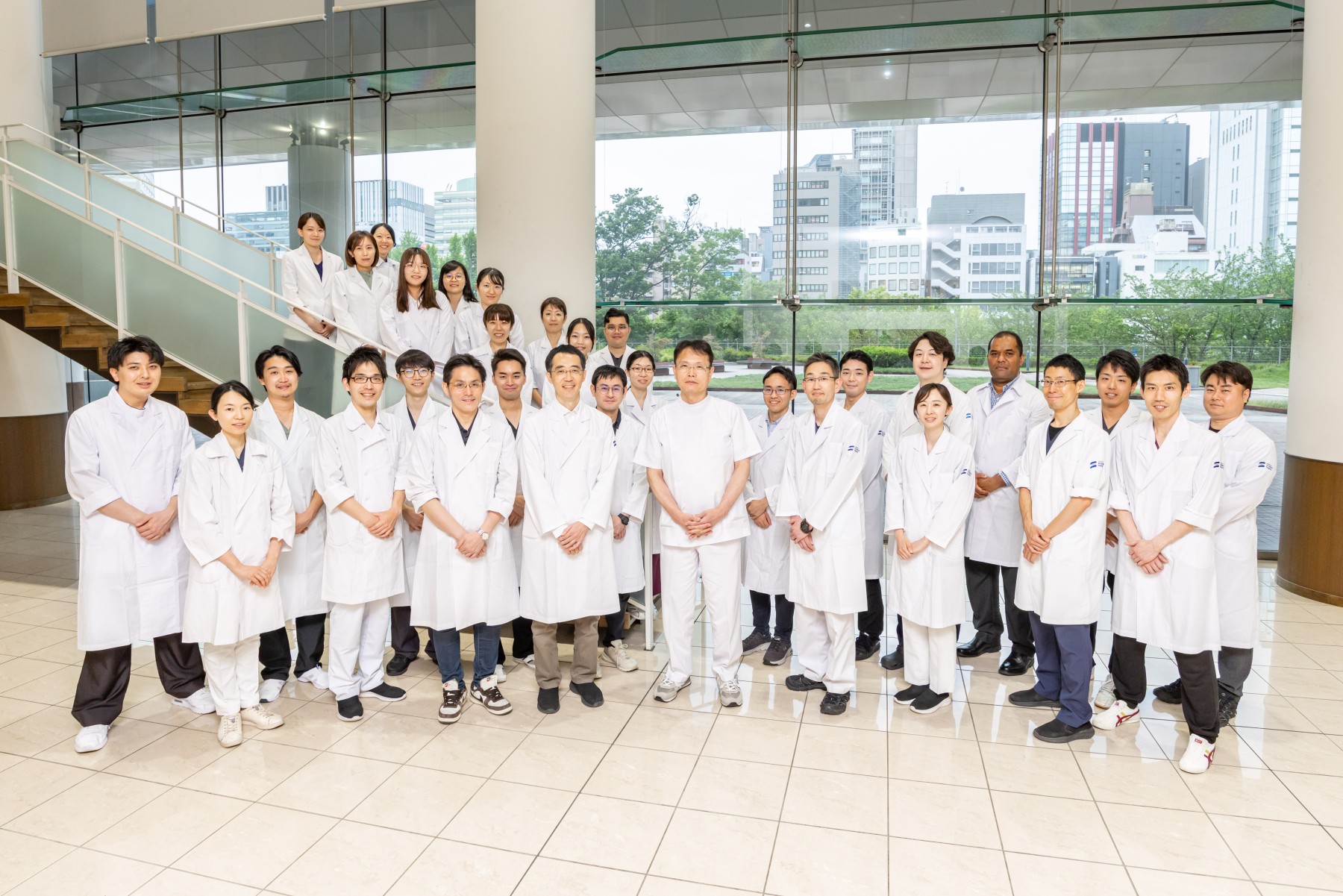
Recently, Dr Salababa completed a surgical attachment in Tokyo, Japan, supported through the New Zealand Medical Treatment Scheme (NZMTS). He describes the experience as both professionally and personally rewarding.
The attachment focused on two key areas: building connections with Japan's oral and maxillofacial surgery community and strengthening his knowledge and skills in the surgical management of oral cancer.
"I learned from their work ethic, their systems and processes, and gained a much better understanding of the overall management of oral cancer cases and follow-up care."
A highlight of the attachment was working under Professor Hiroyuki Harada, Head of Department and President of the Japanese Society of Oral and Maxillofacial Surgeons.
Dr Salababa says Professor Harada provided invaluable mentorship, introducing him to surgeons across the university and hospital while facilitating hands-on clinical training.
"He made my stay a memorable one," says Dr Salababa.
The professional relationship has continued beyond the attachment, with Dr Salababa invited to present his experience at the 71st Congress of the Japanese Society of Oral and Maxillofacial Surgeons in November 2026.
Bringing Knowledge Home
Dr Salababa says one of his biggest takeaways was witnessing the dedication and commitment Japanese clinicians show towards their patients.
Alongside learning new surgical techniques for oral cancer surgery and neck dissections, he also gained insights into the management of pre-cancerous oral lesions.
"In Japan, they routinely remove dysplastic, or pre-cancerous, lesions," he explains.
"We have started implementing this approach since my return."
He hopes these learnings will contribute to improved patient outcomes and strengthen specialist oral health services in Fiji.
The Importance of Language and Culture
As a healthcare professional, Dr Salababa believes language and culture play a critical role in patient care and workplace relationships.
"Both are very important," he says.
When healthcare workers are able to communicate effectively and understand cultural contexts, it can improve service delivery, strengthen patient relationships and enhance teamwork within clinical settings.
Advice for Future Health Professionals
For young people considering a career in oral surgery or healthcare, Dr Salababa's message is one of perseverance and faith.
"Nothing is difficult," he says.
"If you believe in God, entrust Him with your dreams and aspirations. I am a testament to that."
Reflecting on his own journey, he hopes others will be encouraged to pursue their goals, regardless of where they begin.
"I was not highly intelligent, but God has blessed me abundantly."
Today, through his work as an oral surgeon, mentor and lifelong learner, Dr Salababa continues to make a meaningful contribution to healthcare in Fiji while helping improve outcomes for patients across the country.
***
Supported by the New Zealand Ministry of Foreign Affairs and Trade and coordinated by the Pasifika Medical Association Group, the NZMTS remains dedicated to building resilient health systems and strengthening specialist capability across the Pacific region. The views expressed in this publication do not necessarily reflect those of the Ministry or New Zealand Government.