Where are you from, and what is your role and place of work?
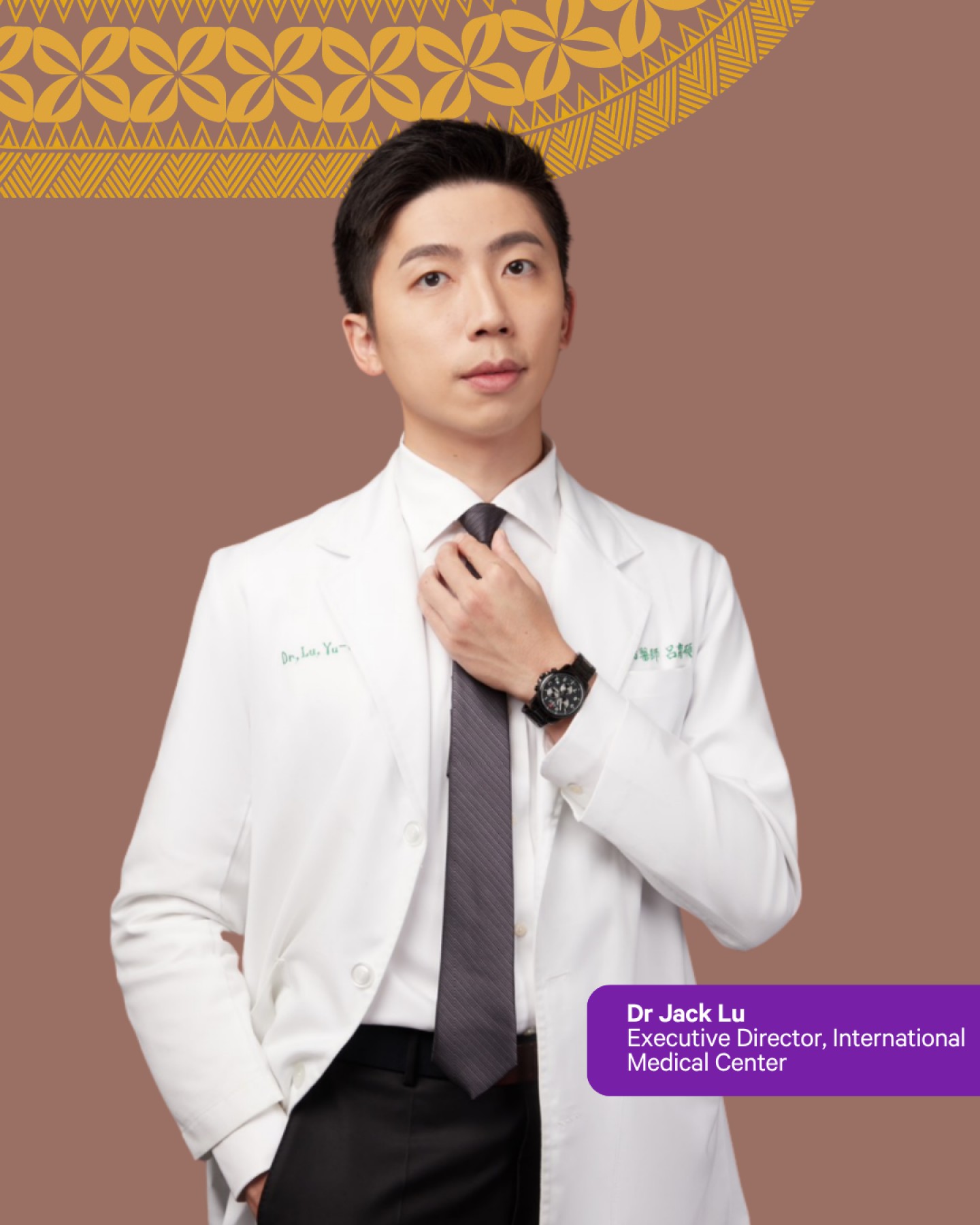
I am Jack Yushuo Lu, an emergency physician from Taiwan. I work at Chung Shan Medical University Hospital in Taichung, where I serve as an attending emergency physician, an administrative leader within the Emergency Department, and Executive Director of the International Medical Center. My work combines frontline emergency care, medical education, healthcare system development, international medical cooperation, and disaster preparedness.
What are you passionate about, and why?
I am passionate about strengthening emergency medical systems and making high-quality emergency care accessible to communities regardless of their location or available resources. Emergency medicine is often the first point of contact for patients during their most vulnerable moments, so an effective system must be able to identify critically ill patients quickly and use limited resources appropriately.
I am particularly interested in prehospital care, emergency department triage, disaster preparedness, artificial intelligence in emergency medicine, and international healthcare collaboration. I believe that sustainable improvements are achieved not simply by introducing new technology, but by listening to local healthcare professionals, understanding their challenges, and developing practical solutions together.
You are scheduled to present “Implementation of the First Emergency Department Triage System in Tuvalu: A Retrospective Analysis.” What is this about, and why is it important for Pacific communities?
This presentation describes the development and implementation of the first structured emergency department triage system in Tuvalu. Working in partnership with Tuvalu’s Ministry of Health and local healthcare professionals, we introduced a practical triage protocol based on the ABCDE approach to help staff rapidly identify patients requiring urgent or emergency treatment.
Our study compared emergency department activity and clinical processes before and after implementation of the system. The findings suggest that a locally adapted triage process can improve the recognition and prioritisation of critically ill patients, strengthen clinical documentation, and support more appropriate decisions regarding emergency treatment and hospital admission.
This work is particularly relevant to Pacific communities because many island health systems face geographic isolation, limited healthcare personnel, constrained diagnostic resources, and difficulties accessing specialist or intensive care services. Climate-related emergencies and dependence on overseas referral may place additional pressure on these systems. A triage system does not need to be expensive or technologically complex to make a meaningful difference. When it is simple, sustainable, and designed around the local context, it can strengthen patient safety and help healthcare teams make the best possible use of their available resources.
What advice or inspiration would you give to people pursuing a similar career?
My advice is to remain curious, humble, and willing to learn from every community you work with. International healthcare collaboration should never be about imposing an external model. It should begin with listening, building trust, and recognising the expertise of local healthcare professionals.
Meaningful change often starts with a small and practical idea rather than a large or complicated project. Focus on solutions that local teams can continue independently, measure the results honestly, and remain willing to modify your approach. Most importantly, remember that healthcare is built through long-term relationships. When knowledge is shared with mutual respect, even a small project can create a lasting impact.