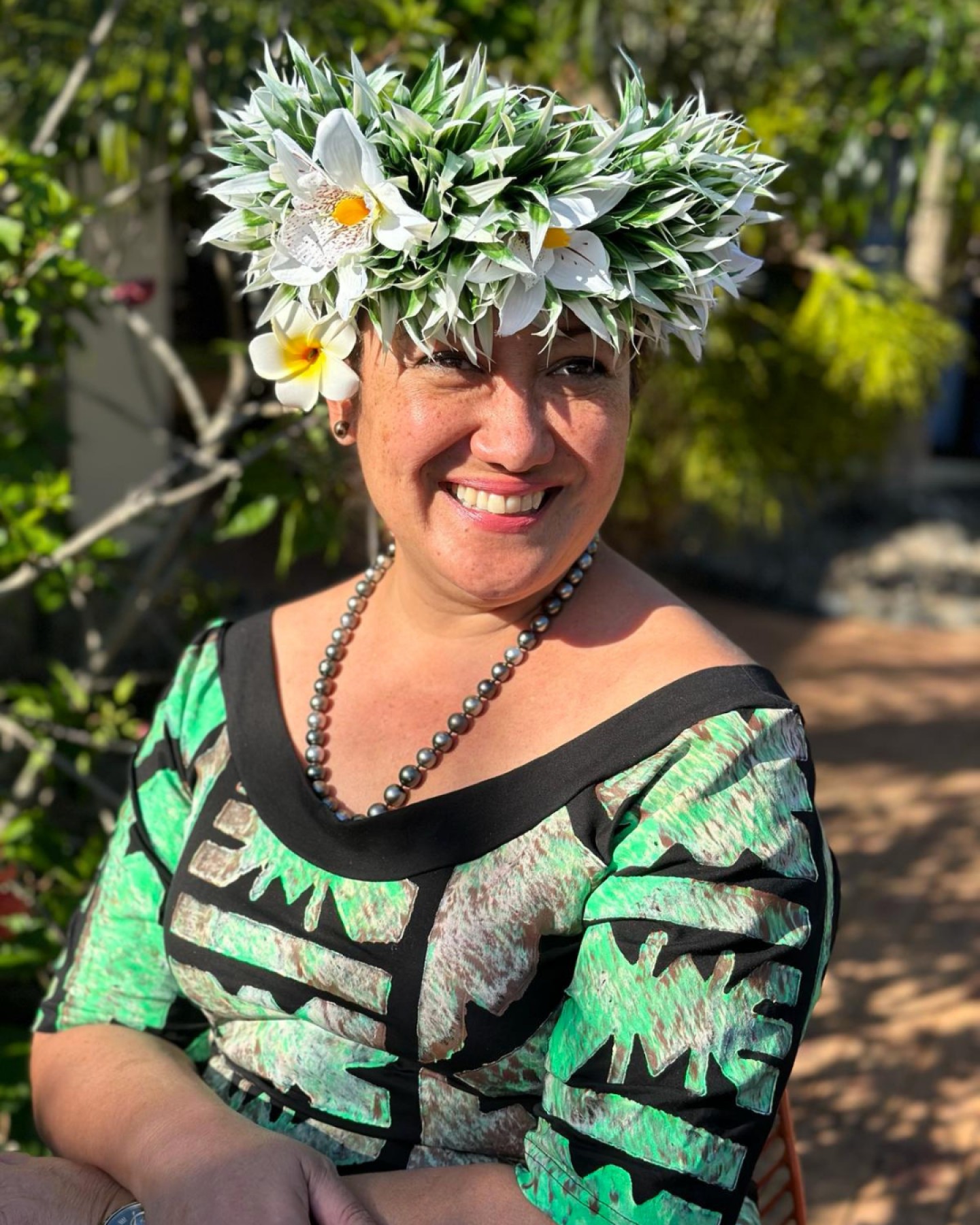
The biennial conference brings together delegates from more than 15 Pacific Island Countries and Territories, alongside partner organisations, for a week of workshops, scientific presentations, stakeholder discussions, networking and Pacific cultural exchange.
Through the New Zealand Medical Treatment Scheme (NZMTS), the Pasifika Medical Association (PMA) is also supporting 25 local Tongan delegates, as well as 2 from Kiribati and 1 from Vanuatu, to attend the Conference.
This year’s theme, Fakakaukau ki he kaha’u – Building and Sustaining Our Health Workforce, puts the Pacific health workforce at the centre of conversations about the future of reproductive, maternal and newborn health.
Conference Secretariat member Dr Amanda Noovao-Hill says the conference provides a valuable opportunity for health professionals working across the Pacific to connect, share knowledge and strengthen relationships that extend well beyond the conference itself.
“The conference is a chance to learn, but equally importantly, to strengthen the professional relationships and networks that continue long after everyone has returned home,” Dr Noovao-Hill says.
“For colleagues working in smaller island countries or more remote settings, opportunities to meet others working in the same field can be limited.”
Building and sustaining Pacific expertise
With more than 30 years of regional workforce development and collaboration, PSRH continues to provide a platform for Pacific health professionals to share expertise and find practical solutions to common challenges.
The conference programme reflects the breadth of reproductive and maternal health priorities across the region, beginning with six specialised pre-conference workshops covering Family Planning, Gynaecology Oncology, Pacific Emergency Maternal and Neonatal Training (PEMNeT) and Fetal Surveillance Education Program (FSEP), Obstetric Anal Sphincter Injury (OASIS) and Perineal Repair, Pacific Ultrasound Scanning, and Pacific Research and Audit.
The programme also includes a Pacific Cervical Cancer Elimination Stakeholder Roundtable, Maternal and Newborn Emergency Care sessions, a Pacific Midwifery Leadership Breakfast Talanoa, as well as three breakfast masterclasses and stakeholder forums, followed by three days of scientific presentations and panel discussions across nine themed scientific sessions.
Dr Noovao-Hill says workforce development must focus not only on training new health professionals, but on ensuring the existing workforce is supported and able to sustain their roles.
“Some of our most experienced clinicians are simultaneously providing specialist care, teaching, supporting outreach, contributing to research and policy, and serving on regional committees and boards,” she says.
“These contributions are valuable, but without adequate support there is a risk that we exhaust the very workforce we are trying to strengthen.”
She says building depth across the Pacific workforce will require developing the next generation of health professionals, sharing expertise more widely, creating mentoring and succession pathways, and properly supporting and recognising leadership and regional responsibilities.
No Pacific country should face these challenges alone
Regional collaboration is central to the PSRH approach, recognising that Pacific countries can learn from one another and adapt solutions to their own communities and health systems.
“No one Pacific country should have to solve these challenges on its own,” Dr Noovao-Hill says.
“There is enormous expertise across our region, and often one country has already found a practical solution to a problem another is facing.”
The conference provides an opportunity to share those lessons while strengthening professional relationships between colleagues across the region.
Taking knowledge home
Dr Noovao-Hill hopes attendees leave Tonga with practical knowledge they can apply in their own workplaces, as well as stronger connections across the region.
“I hope people leave Tonga with something useful that they can take back into their workplace – whether that is a clinical skill, a different way of approaching a problem, or simply knowing who they can contact when they need advice.”
Ultimately, she says, the success of the conference will be measured not simply by what happens in Tonga, but by what happens when delegates return to their communities.
“The real measure of our success will be whether the knowledge, relationships and leadership strengthened in Tonga translate into better, safer and more equitable care for women and families across the Pacific.”
The conference will be held from 12 to 18 September 2026.
**
Supported by the New Zealand Ministry of Foreign Affairs and Trade and coordinated by the Pasifika Medical Association Group, the NZMTS remains dedicated to building resilient health systems and strengthening specialist capability across the Pacific region. The views expressed in this publication do not necessarily reflect those of the New Zealand Government.